Physical Address
304 North Cardinal St.
Dorchester Center, MA 02124
Physical Address
304 North Cardinal St.
Dorchester Center, MA 02124
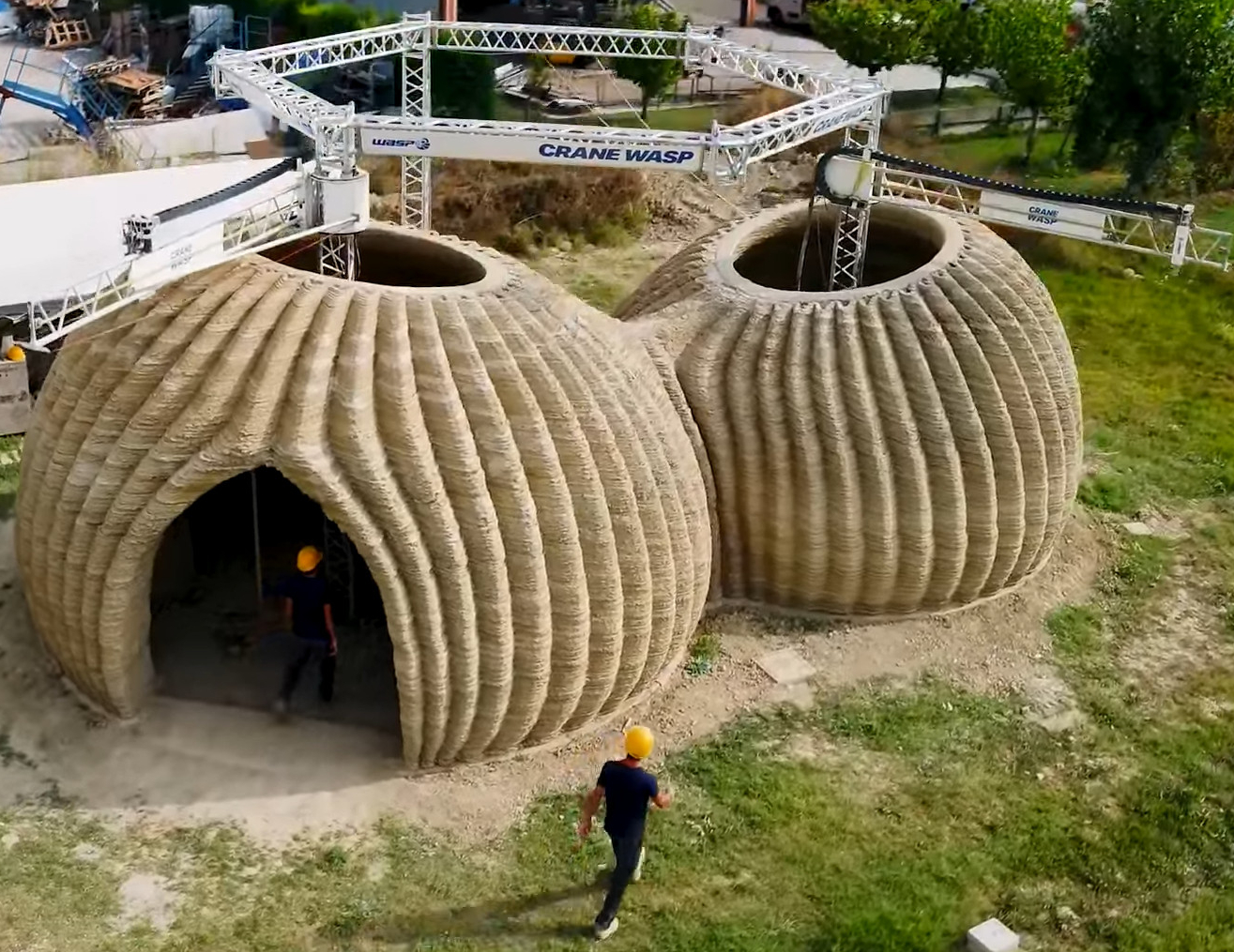
Homelessness is a solvable problem — but solving it will require both proven programmatic approaches (like Housing First and permanent supportive housing) and a dramatic increase in the supply of affordable, service-ready homes. Emerging industrial construction approaches — factory-built modular housing and 3D-printed homes — are not silver bullets, but they are real, scalable tools that are working today and can be scaled rapidly with the right policy and funding changes. This post focuses on what is working, what the evidence says, and clear actions local and federal leaders can take now.
## Why supply matters — and why speed matters
HUD’s Annual Homeless Assessment Report and related analyses make a stark point: homelessness in the U.S. remains a large-scale problem that coexists with a persistent shortage of affordable homes. On any given night, well over half a million people are experiencing homelessness; addressing that reality requires both prevention and a rapid expansion of housing that is affordable and, for many, paired with services (HUD AHAR). The longer it takes to build new units, the longer people stay unhoused and the higher public costs for emergency shelter, hospitals, and jails.
That’s where modular and 3D-printed approaches show promise: they accelerate delivery, improve cost predictability, and lower construction disruptions that typically slow site-based projects.
## What’s working now: evidence and real-world outcomes
– Modular construction shortens delivery time. Research and industry analyses find that factory-built modular units can cut on-site construction time substantially — commonly reported in the 30–50% range — because components are built in parallel in controlled factory settings and then assembled on-site (see Urban Institute and other practice-oriented research). Time saved means faster housing placements and lower interim shelter costs.
– Modular improves quality control and reduces cost risk. Factory environments reduce weather delays, rework and theft, improving quality and reducing cost overruns that burden many site-built projects (Urban Institute analysis).
– 3D printing reduces labor intensity and material waste in pilot projects. Early U.S. and international pilots show 3D-concrete-printing can produce structurally sound small homes in days-to-weeks instead of months. Pilots also report material-efficiency gains because printers deposit material only where needed; several companies report lower labor and finishing costs in early projects.
– When housing is paired with supports, outcomes improve. The National Alliance to End Homelessness and HUD emphasize that permanent supportive housing (PSH) and Housing First approaches are proven to reduce returns to homelessness and lower emergency service use. New supply created via modular or 3D methods is most effective when units are reserved for people experiencing chronic homelessness and are combined with onsite or closely coordinated services (NAEH; HUD).
## What “working” looks like in practice
– Faster moves from shelter to stable housing. Cities that use prefabricated units to create PSH report shorter timelines from funding to occupancy — meaning fewer months in shelter per household.
– Better budget predictability. Fixed-price factory contracts help communities plan and fund developments without the cost escalation common to many site-built projects.
– Infill and flexible site use. Modular and 3D techniques fit small or irregular urban lots and can be stacked or clustered to create efficiency apartments, micro-units, or family-sized units with far less neighborhood disruption.
## Policy and funding levers that scale success
The technology won’t scale without the right policy environment. Key levers include:
– Use federal housing dollars strategically. Federal programs (HUD’s HOME, CDBG, Emergency Housing Vouchers, and other grants) can finance modular projects and supportive services — jurisdictions should explicitly allow factory-built units in procurement and program rules and use flexible funding pools for land acquisition and services (HUD guidance on program eligible uses).
– Streamline permitting and adopt performance-based codes. Local governments should create fast-track permitting for modular and 3D-built housing and adopt outcome- or performance-based building codes that allow alternative construction methods while safeguarding health and safety.
– Create factory-to-community procurement pipelines. State or regional housing authorities can aggregate demand and contract with modular manufacturers or 3D-construction firms to lower per-unit costs and stabilize supply.
– Tie production to services and referrals. Funding and project design should reserve a share of new units for households prioritized by coordinated entry systems and link units to supportive services, consistent with NAEH and HUD best practices.
– Pilot, measure, and scale. Begin with demonstration projects that collect standardized data on cost per occupied unit, time from award to occupancy, resident outcomes, and lifecycle maintenance. Use results to refine procurement and scale successful models.
## Actionable takeaways (for city leaders, funders, and providers)
– Target a rapid pilot: commit to producing 50–200 modular or 3D-built units in 12–24 months for populations prioritized by your coordinated entry system.
– Bundle funding streams: combine HOME/CDBG, state or local affordable housing dollars, and philanthropic capital to cover land, factory build, and initial supportive services.
– Change procurement language: explicitly accept factory-built and 3D-printed units in RFPs and require fixed-price, timeline-guaranteed contracts.
– Fast-track permits: adopt a 30–60 day expedited review for modular and 3D projects and create a single point of contact for approvals.
– Measure success: track time from contract to occupancy, cost per occupied unit, and resident stability at 6, 12, and 24 months; share results publicly to build political will.
## Bottom line: technologies are tools — pair them with proven programs
Modular and 3D-printed housing are not a substitute for the policy commitments needed to end homelessness: they are accelerants. When paired with the Housing First approach, permanent supportive housing models, and the flexible use of federal funds, these production innovations can materially shorten timelines, stabilize costs, and expand the kinds of sites cities can use for affordable housing. The evidence base for pairing housing with services is strong (NAEH, HUD); the evidence base for modular and 3D is emerging but promising, especially for shortening delivery time and improving predictability (Urban Institute and practice reports).
If municipal leaders, housing authorities, and funders act now to adapt procurement, streamline permitting, and tie new units to proven services, we can dramatically cut the time it takes to move people into stable homes. That combination — proven programs plus faster, affordable production — is a practical path to ending homelessness at scale.
References and further reading
– U.S. Department of Housing and Urban Development (HUD), Annual Homeless Assessment Report (AHAR) and HUD program pages: https://www.hud.gov and https://www.huduser.gov/portal/datasets/ahar.html
– National Alliance to End Homelessness (NAEH), policy resources on Housing First, Permanent Supportive Housing, and best practices: https://endhomelessness.org
– Urban Institute, research and briefs on modular/manufactured housing and housing production innovations: https://www.urban.org
(Links above point to broad resources; programs and local examples vary — contact your state housing finance agency or local Continuum of Care for jurisdiction-specific guidance.)