Physical Address
304 North Cardinal St.
Dorchester Center, MA 02124
Physical Address
304 North Cardinal St.
Dorchester Center, MA 02124
Homelessness in the United States remains a persistent crisis — on any given night, more than half a million people experience homelessness (HUD Annual Homeless Assessment Report). Traditional development pipelines are too slow and often too costly to meet urgent needs. Fortunately, new building technologies and delivery models — notably 3D‑printed homes and modular (prefabricated) housing — are moving from pilots into proven, scalable tools. Paired with evidence‑based housing and service strategies, they can accelerate permanent housing at lower cost and with better outcomes (Urban Institute; NAEH; HUD).
## Why build differently — the evidence for speed, scale, and outcomes
Two practical constraints slow the production of affordable and supportive housing: on‑site construction timelines and local labor/permit bottlenecks. Modular and 3D‑printed methods address both.
– Time savings: Multiple studies and agency reports show that off‑site fabrication and 3D printing can significantly compress schedules. Modular construction routinely shortens overall project timelines by making site work and unit fabrication concurrent; reductions of roughly 20–50% in schedule are widely reported compared with stick‑built approaches (HUD; Urban Institute). For 3D printing, single‑unit shells have been produced in 24–48 hours in demonstration projects, trimming weeks or months off traditional framing schedules.
– Cost and labor: By shifting repetitive, weather‑sensitive assembly to factories or automated printers, projects lower exposure to weather delays and reduce on‑site labor needs. That can cut soft costs (financing, oversight) and reduce total delivery cost per unit once scale is reached (Urban Institute; HUD).
– Outcomes when paired with services: Building speed and savings matter because they enable a rapid scale‑up of Permanent Supportive Housing (PSH) and Housing First placements — approaches the National Alliance to End Homelessness (NAEH) and HUD identify as the most effective for reducing chronic homelessness. PSH commonly achieves high housing retention (often 80%+ in many evaluations) and can reduce costly emergency system use (NAEH).
In short: faster, less risky production enables more units of evidence‑based housing, which is what actually reduces homelessness.
## Real examples: pilots that point the way
Communities around the U.S. are already piloting these approaches:
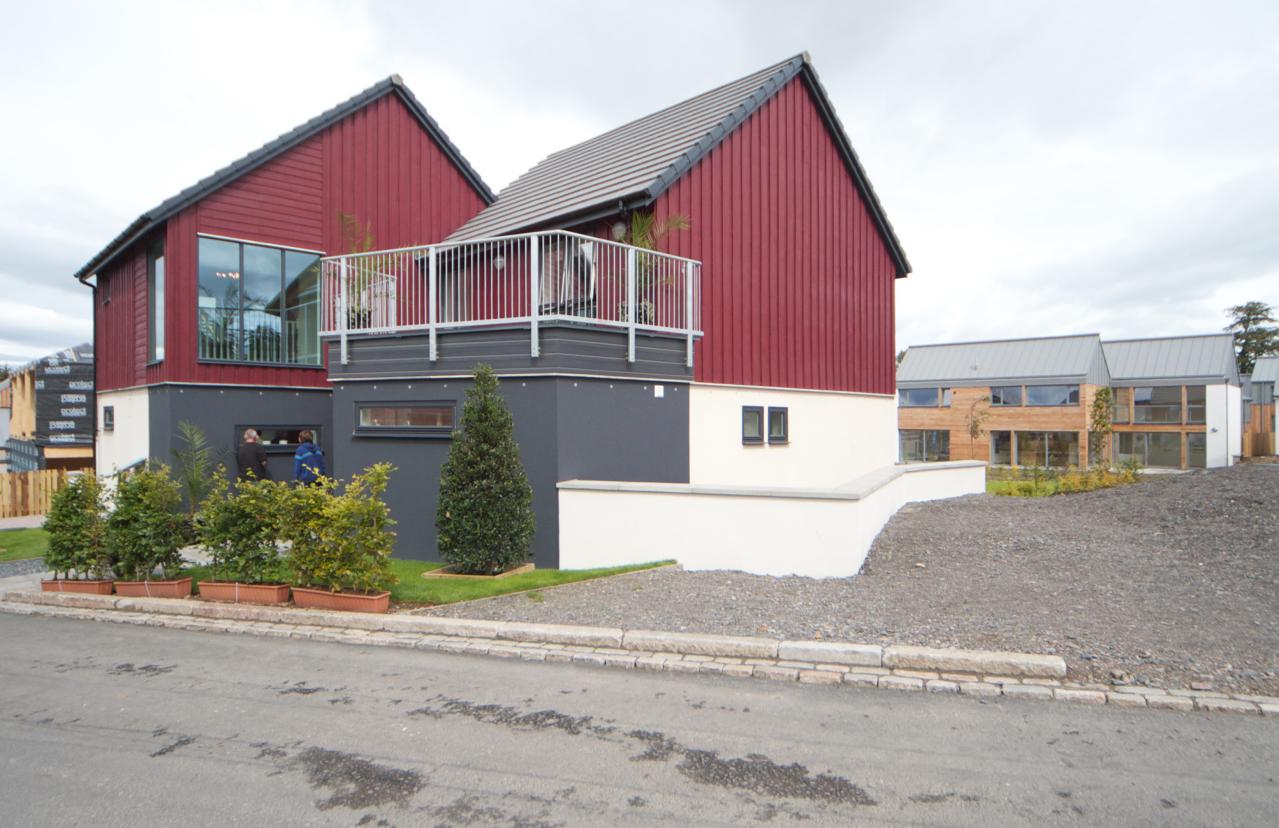
– Modular supportive housing: Cities and counties have used modular units to deliver supportive apartments faster than conventional construction. Several urban projects documented by practitioners and researchers show timelines shortened from years to months, freeing up shelter capacity and stabilizing vulnerable households sooner (Urban Institute; HUD).
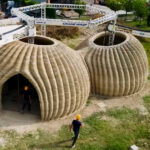
– 3D‑printed housing pilots: Nonprofits and private partners have demonstrated rapid, low‑waste 3D‑printed homes in the U.S. and abroad. These pilots proved the technology’s viability for basic, durable shells and generated design, permitting, and procurement lessons that scale to affordable and supportive housing contexts.
(For detailed case studies and technical lessons, see Urban Institute analyses and HUD guidance on modular approaches; NAEH provides context about integrating housing production with services.)
## What’s working — the ingredients for success
From successful pilots and implementation research, a pattern emerges. Programs that succeed combine four elements:
1. Policy alignment and flexible funding: Projects that use modular or 3D methods require accessible capital and flexible funds to acquire land, pre‑purchase units, or cover shorter but concentrated cash‑flow needs. Federal and state flexible sources (e.g., HOME, CDBG, ESG with waivers, ARPA reservoir funds, and state housing trust funds) are critical to bridge that gap (HUD guidance).
2. Standardized, mission‑aligned designs: Reusable floorplans for efficiency — especially for PSH and single‑occupancy units — reduce design costs, speed approvals, and allow manufacturers to optimize production.
3. Streamlined permitting and procurement: Early engagement with code officials and standardized procurement vehicles (state contracts, cooperative purchasing agreements) reduce local delays. Many jurisdictions now have expedited review pathways for factory‑built housing.
4. Services integrated from day one: Housing without supports misses the proven gains. Aligning modular delivery with Housing First and on‑site or mobile supportive services drives retention and cost offsets (NAEH).
## Practical steps communities can take now
Municipal leaders, homelessness systems, and housing developers can move from interest to impact with practical actions:
– Set targets that prioritize speed + outcomes: Track time‑to‑occupancy and resident outcomes, not just units delivered. Aim to cut production timelines by one third versus standard projects wherever possible.
– Create modular/3D procurement pools: Use state or regional purchasing agreements to aggregate demand, lowering per‑unit costs and incentivizing manufacturers to expand capacity.
– Reserve flexible capital for early costs: Establish local revolving funds or dedicate CDBG/HOME set‑asides for land acquisition, site prep, and pre‑purchase deposits so projects aren’t stalled by timing mismatches.
– Align with Housing First and PSH standards: Ensure units are paired with case management, health care linkages, and rent subsidy strategies. NAEH and HUD guidance underline that housing investments are most effective when accompanied by supportive services.
– Invest in local workforce and factory capacity: Support apprenticeship, training, and incentives to grow a skilled modular construction workforce, reducing supply constraints and building economic benefits for communities.
## Actionable takeaways
– Leverage federal and state flexible funding (HOME, CDBG, ARPA) to accelerate modular/3D projects and cover upfront costs (HUD).
– Target production metrics: aim for 20–50% faster timelines and 80%+ first‑year retention for PSH placements (Urban Institute; NAEH).
– Standardize unit designs for PSH and single‑occupancy units to enable repeatable manufacturing and faster approvals.
– Use cooperative purchasing and pre‑procurement to aggregate demand and lower per‑unit prices, then pair units with Housing First supportive services to maximize outcomes (NAEH).
## A hopeful closing
No single technology is a silver bullet. But 3D‑printing and modular construction are practical, already‑working tools that remove two of the biggest obstacles to scaling evidence‑based housing: time and cost. When jurisdictions pair these production innovations with proven policy levers — flexible funding, streamlined permitting, and guaranteed supportive services — they can convert prototypes into sustained pipelines of permanent housing. That combination is not just promising; it’s already producing results and can be scaled to meet the urgent need.
Sources and further reading
– HUD Annual Homeless Assessment Report (AHAR) and HUD guidance on modular construction and factory‑built housing.
– Urban Institute: analyses on modular housing for people experiencing homelessness and implementation lessons.
– National Alliance to End Homelessness (NAEH): evidence and policy guidance on Housing First and Permanent Supportive Housing.
(See organization websites for reports, case studies, and implementation guides.)