Physical Address
304 North Cardinal St.
Dorchester Center, MA 02124
Physical Address
304 North Cardinal St.
Dorchester Center, MA 02124
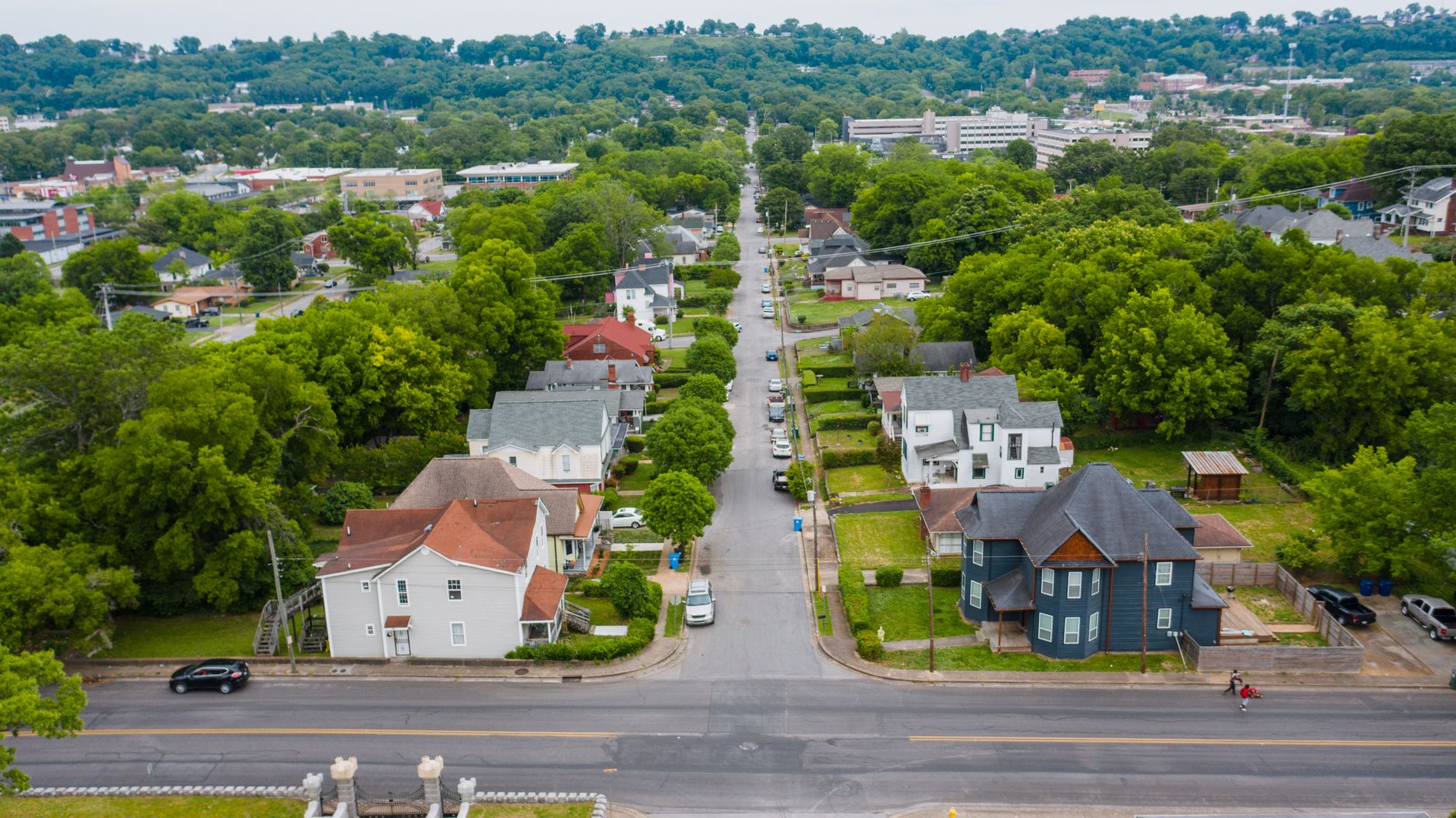
Community land trusts remove land from the speculative market to create permanently affordable housing — and cities across the U.S. are proving it scales.
In most American cities, affordable housing created today tends to drift toward market rates within a generation. Deed restrictions expire, subsidies run out, and neighborhoods gentrify. Community land trusts (CLTs) were designed to break that cycle — and after decades of quiet growth, they are emerging as one of the most replicable tools in the affordable housing toolkit.
The model is elegantly simple: a nonprofit organization acquires land and holds it permanently in trust for the community. Residents purchase or rent the homes built on that land, but the land itself is never sold. When a homeowner eventually moves on, a resale formula ensures the home remains affordable for the next low- or moderate-income buyer — not priced at whatever the market will bear. The homeowner still builds equity; they just share a portion of appreciation with the community in exchange for the reduced purchase price they enjoyed going in.
The Grounded Solutions Network, the national membership organization supporting CLTs and shared-equity housing programs across the country, tracks more than 225 CLTs operating in the United States. Their research consistently shows that CLT homeowners experience dramatically lower rates of foreclosure than conventional homeowners — a finding that held especially true during the 2008 housing crisis, when CLT mortgage delinquency and foreclosure rates were a fraction of those seen in the broader market.
The Lincoln Institute of Land Policy has documented the CLT model extensively, finding that the resale-restricted structure is key: because buyers pay below-market prices, their monthly payments are more manageable, making default less likely even during economic downturns. The same studies confirm that the equity-sharing resale formula keeps homes affordable across multiple generations of owners — not just the first buyer.
Burlington, Vermont is where the modern CLT movement took root. The Champlain Housing Trust — formed from a merger of the Burlington Community Land Trust and the Lake Champlain Housing Development Corporation — is now one of the largest CLTs in the country, stewarding hundreds of owner-occupied homes, rental apartments, and cooperative housing units across northwestern Vermont. Champlain Housing Trust has become a living proof-of-concept: after more than three decades, its homes remain affordable through multiple resales, and the organization has expanded into supportive housing and homeownership counseling.
Atlanta’s Atlanta Land Trust is demonstrating what CLTs can do in rapidly gentrifying Sun Belt cities. Launched with strong support from the city government, it focuses on neighborhoods where displacement pressures are most intense, acquiring land and partnering with developers to build homes that working families can actually afford to buy. Their approach integrates community governance — CLT boards typically include residents, the broader community, and public-interest representatives — so that housing decisions reflect neighborhood priorities rather than investor ones.
On the coasts, New York City’s Cooper Square Community Land Trust in Manhattan’s Lower East Side has preserved affordable housing in one of the most expensive real estate markets on earth for decades. Meanwhile, in the Pacific Northwest, community land trusts are gaining traction as a response to the severe affordability crisis in cities like Seattle and Portland, with local governments increasingly providing land transfers and funding to seed new CLT developments.
Washington, D.C. has gone further than most, establishing the DC Department of Housing and Community Development’s land disposition policies to prioritize CLTs and other shared-equity models when the city conveys publicly owned land for housing development. This government-CLT partnership model — transferring publicly held land into permanent community stewardship — is increasingly recognized by housing researchers at the Urban Institute as one of the most efficient uses of scarce public subsidy dollars, since the affordability it creates does not expire.
Perhaps the most important question policymakers ask about CLTs is: does the model actually sustain affordability over time, or does it erode? The evidence is encouraging. Research compiled by the National Community Land Trust Network (now part of Grounded Solutions Network) tracked resales in established CLTs and found that homes remained affordable to income-qualified buyers through successive ownership cycles. The resale formula — typically allowing sellers to keep a defined percentage of appreciation — has proven workable in both rising and flat markets.
The model also builds wealth in communities that have historically been excluded from homeownership. Because CLT buyers enter at below-market prices, they can qualify for mortgages that would otherwise be out of reach, begin building equity, and gain the stability that homeownership provides — without being exposed to the full volatility of speculative real estate. For communities of color that experienced redlining and predatory lending, CLTs represent a structurally different path to ownership.
The barriers to CLT growth are real but surmountable. Acquiring land in high-cost markets is expensive, and CLTs often operate with lean staffing and limited capacity. But the policy levers that can accelerate growth are well understood: municipal land transfers, community land trust funds seeded with public dollars, inclusionary zoning that channels a share of new units into permanent affordability, and federal investment through HUD programs that support shared-equity homeownership.
The Grounded Solutions Network is actively building the infrastructure for scale — training new CLT organizers, developing shared technology platforms, and advocating for federal policy recognition of shared-equity models. Several states have passed legislation clarifying CLT legal structures and creating dedicated funding streams.
What community land trusts offer is not a silver bullet, but something arguably more durable: a structural change in how land is owned and who benefits from its appreciation. Every home that enters a land trust is, in a meaningful sense, permanently removed from the speculative cycle that prices working families out of stable neighborhoods. As more cities face the reality that affordable homes built today won’t stay affordable tomorrow, the CLT model’s track record makes it one of the clearest answers to that problem — and one that has already proven it can grow.