Physical Address
304 North Cardinal St.
Dorchester Center, MA 02124
Physical Address
304 North Cardinal St.
Dorchester Center, MA 02124
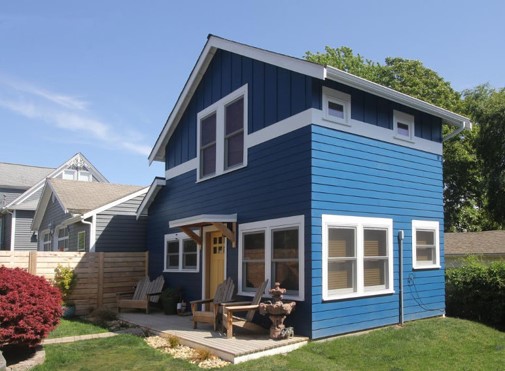
Every neighborhood has hidden capacity. A garage turned into a rental, a backyard cottage that lets a grandparent age in place, a duplex quietly replacing a single-family home — together these modest changes add up. Across the U.S., communities that have moved from debate to action are proving that accessory dwelling units (ADUs) and missing middle housing can deliver more homes quickly, affordably, and with broad community support.
## Why ADUs and Missing Middle Housing matter now
The United States faces a large shortfall of housing near jobs and transit; national advocates including Up for Growth have documented that the supply gap amounts to millions of homes. Two strategies are especially powerful because they work within existing neighborhoods: accessory dwelling units — small, self-contained units on the same lot as a single-family house — and “missing middle” housing: duplexes, triplexes, fourplexes, courtyard apartment clusters, and other small-scale multifamily that fit into low-density residential streets.
These approaches expand supply without wholesale redevelopment. They can preserve neighborhood character, increase affordable options, and help older homeowners, renters, and families seeking flexible housing choices.
## What’s working: clear rules, fewer barriers, better tools
Communities that have made measurable progress share common policy moves.
– Simplify permitting and standards. When cities streamline approval, homeowners build. California’s recent statewide actions — including SB 9 (2021), which enables lot splits and duplexes on many single-family parcels — removed barriers that previously forced long, costly approvals. Similarly, jurisdictions that created clear ADU checklists and shortened review timelines saw faster uptake.
– Reduce or waive fees and parking rules. Many cities discovered that mandatory parking requirements or high impact fees make ADUs infeasible. Removing those costs unlocks projects without changing the look of neighborhoods.
– Offer pre-approved plans and technical assistance. Pre-approved ADU designs and “one-stop” permitting reduce uncertainty and costs. Cities such as Sacramento and Berkeley have published ADU plan sets and permit guides so homeowners can move from idea to building faster.
– Pair regulatory change with financing and outreach. Easier rules alone aren’t enough for homeowners who lack capital or know-how. Programs that combine permit streamlining with low-interest loans, grants, or contractor networks produce bigger increases in ADU construction.
These lessons come from the real-world experience of cities, state legislation, and national organizations like AARP and Up for Growth that have tracked outcomes and provided toolkits for replication.
## Real examples: lessons from places that moved forward
– Oregon (HB 2001, 2019): Oregon took statewide action to expand “middle housing.” HB 2001 requires cities of certain sizes to allow duplexes on lots zoned for single-family homes and larger cities to allow triplexes, fourplexes, cottage clusters, and townhouses. The law removed a patchwork of local restrictions and gave communities a clear pathway to add more homes across many neighborhoods. The lesson: statewide standards can unblock local barriers while still leaving design decisions to cities.
– California (SB 9 and SB 10, 2021): California used a mix of targeted reforms. SB 9 allows home-lot splits and duplexes on many single-family parcels, enabling up to four units on a typical lot through ministerial (non-discretionary) approvals. SB 10 enables localities to ministerially upzone parcels near transit for up to 10 units. Together, these laws show how state policy can create predictable, fast routes for modest infill — a core missing middle strategy.
– Minneapolis (2018 zoning changes): Minneapolis eliminated single-family-only zoning citywide, authorizing duplexes and triplexes in many formerly single-family areas. The city’s experience demonstrated that upzoning at modest scales can be done quickly and without large-scale displacement when coupled with tenant protections and targeted investments.
– Local ADU programs (Sacramento, Berkeley, and others): Cities that made ADUs simpler and cheaper — by publishing pre-approved plans, capping fees, and removing parking mandates — reported steady increases in permit activity. Several California municipalities created ADU permit “fast lanes” and outreach programs aimed at older homeowners; AARP has promoted ADUs as an effective tool for aging-in-place, highlighting how ADUs benefit both older adults and nearby renters.
## Design and equity guardrails that keep progress durable
Communities that scale ADUs and missing middle housing successfully also build in protections so benefits are shared equitably:
– Preserve affordability: pairing new small-scale housing with targeted incentives (for example, fee waivers in exchange for affordability covenants) can yield below-market units.
– Support renters and small landlords: programs that offer legal and financial advice help prevent bad outcomes and encourage safe, long-term rental options.
– Prevent displacement: combine upzoning with investments in tenant protection, rental assistance, and community land trusts to shield vulnerable residents as neighborhoods evolve.
Organizations such as Up for Growth and AARP offer policy guides and case studies to help local governments adopt these guardrails while moving quickly.
## How you can help: practical next steps
Progress is possible and replicable. If you want to push for more ADUs and missing middle housing in your community, here are concrete actions:
– Ask your city to adopt simple, clear ADU standards: require a checklist, one review pathway, and pre-approved plans. Cite AARP’s ADU resources and model ordinances to show demand and best practices.
– Support local adoption of missing-middle zoning reforms or state-level tools like SB 9/HB 2001 equivalents. These produce predictable, ministerial pathways for duplexes and fourplexes.
– Push for fee waivers, parking reductions, and small-business-style financing for homeowners building ADUs — these levers turn legal permission into actual construction.
– Champion equity measures: insist new policies include tenant protections, anti-displacement funding, and options for permanently affordable units.
– Get organized: join or start local coalitions that include housing advocates, aging groups (AARP local chapters), and neighborhood associations. Use resources from Up for Growth and local housing departments to build evidence-based proposals.
The housing shortage is large, but the solutions don’t have to be complicated. Accessory dwelling units and missing middle housing are proven, flexible tools that add homes where infrastructure and amenities already exist. With clearer rules, targeted incentives, and equity protections, cities can unlock thousands of new units that are affordable, family-friendly, and climate-smart. If your community hasn’t tried these approaches at scale yet, now is the time to act — and to borrow what’s already working elsewhere.