Physical Address
304 North Cardinal St.
Dorchester Center, MA 02124
Physical Address
304 North Cardinal St.
Dorchester Center, MA 02124
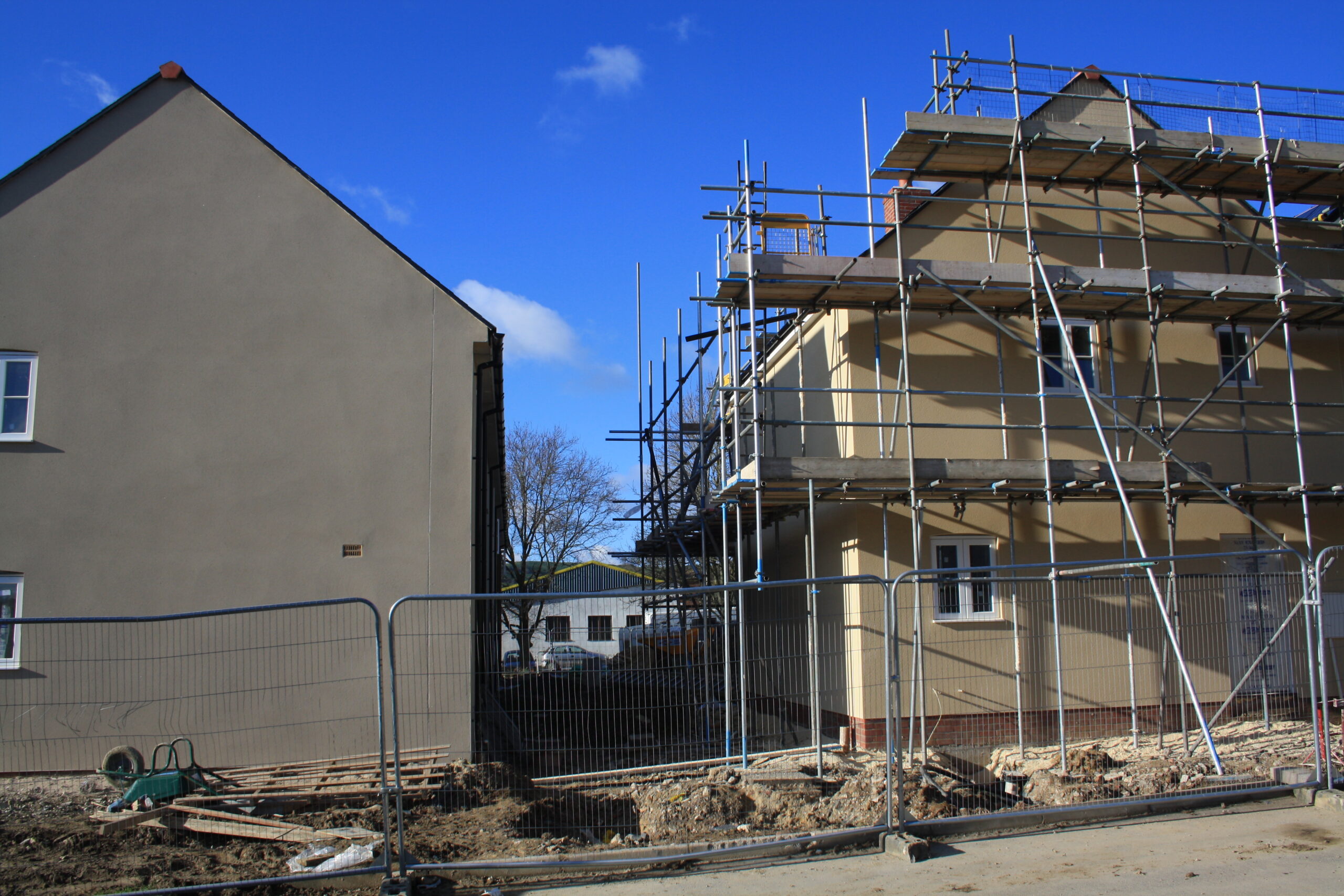
Shared equity ownership — community land trusts, limited-equity cooperatives, and deed-restricted resale formulas — is one of the most promising, pragmatic tools cities and advocates have to create permanently affordable homes. Unlike short-term subsidies or time-limited deed restrictions, shared equity models lock affordability into place while still allowing owners to build modest wealth. Below I summarize what’s working, why it matters, and clear steps policymakers and practitioners can take to scale these approaches.
## Why permanent affordability matters now
The supply gap for affordable, stable housing is at the root of rising homelessness and housing instability. Stable, permanently affordable ownership and rental options prevent displacement, reduce churn, and create community-rooted households that weather economic shocks better than short-term affordability programs (HUD). Community-based ownership also supports neighborhood stability, racial equity, and long-term stewardship of housing as a public-good resource (Urban Institute).
Shared equity models are not a panacea, but they are durable, cost-effective, and particularly well-suited to preserving affordability in rapidly appreciating markets. They keep homes affordable across multiple buyer lifecycles without ongoing operating subsidies.
## What “shared equity” looks like in practice
– Community land trusts (CLTs): A nonprofit owns land and leases it to homeowners; resale is governed by a formula that balances homeowner equity and long-term affordability.
– Limited-equity cooperatives (LECs): Residents collectively own buildings and accept limits on resale value to keep units affordable.
– Resale-restricted homeownership: Municipal or nonprofit deed restrictions or covenants that limit resale price increases or require income-targeted re-sales.
– Shared-appreciation mechanisms: Contracts that allow owners to capture some, but not all, appreciation — preserving affordability for the next buyer.
These structures keep housing permanently affordable without ceding all homeowner equity. They preserve community control and reduce speculation, while enabling families to gain stability and some wealth.
## Evidence: what’s working
– Lower default and greater stability: Research shows shared-equity homeowners experience foreclosure and default at lower rates than comparable market-rate homeowners, particularly during downturns — evidence that shared-equity models add resilience to low- and moderate-income homeowners (Urban Institute).
– Durable affordability over decades: Many CLTs in the U.S. have retained affordability for 20–40+ years with predictable resale formulas, showing the model’s long-term viability (Urban Institute).
– Cost-effectiveness: Because the land or resale formula preserves affordability across multiple buyers, the per-household public subsidy is often far lower over time than repeatedly subsidizing new buyers or renters.
– Homelessness prevention and housing stability: Permanent affordability reduces the risk that households will lose housing when incomes fluctuate or when neighborhoods gentrify — an essential prevention strategy underscored by homelessness policy research (National Alliance to End Homelessness).
HUD has recognized and supported CLTs and shared-equity approaches through technical assistance and programmatic guidance, highlighting them as tools to stabilize neighborhoods and expand permanently affordable homeownership options (HUD).
## Concrete data points (for context)
– Shared-equity programs operate at local scale but add up: thousands of CLT homes and limited-equity co-op units exist across the U.S., many operating successfully for decades (Urban Institute).
– Comparative resilience: studies of shared-equity homeowners showed lower foreclosure rates during the Great Recession compared with equivalent conventional homeowners (Urban Institute).
– Cost leverage: a permanently affordable unit created through land acquisition and resale restrictions can remain affordable across multiple buyers for decades, stretching each public dollar farther than one-time subsidies alone (HUD analysis of CLT approaches).
(If you want exact program-by-program numbers for your city or region, I can pull the latest local CLT and LEC inventories and foreclosure comparisons.)
## What’s working — real-world design features
– Simple, transparent resale formulas that balance homeowner equity and lasting affordability.
– Strong community governance (board representation that includes residents) to ensure mission fidelity.
– Access to long-term, fixed-rate mortgages that accept resale restrictions (FHFA and some secondary market actors have accommodated certain shared-equity models).
– Public land disposition or discounted land acquisition to seed CLTs and co-ops—land subsidy is the most powerful lever.
– Ongoing stewardship and technical assistance to buyers on finance, maintenance, and community governance.
## Actionable takeaways: how cities, funders, and nonprofits can scale shared equity
1. Prioritize public land and acquisition funds
– Create dedicated land acquisition funds or sell public land at below-market value to nonprofits and CLTs with covenants that lock in permanent affordability (HUD recommends land strategies as a key lever).
2. Include shared equity in affordable housing pipelines
– Make CLTs and LECs eligible recipients in RFPs, inclusionary zoning set-asides, and affordable housing trust fund allocations.
3. Provide operating and stewardship funding
– Budget for long-term stewardship grants and capacity building; quality stewardship prevents mission drift and ensures resale rules are applied consistently.
4. Align finance and mortgage markets
– Work with mission-oriented lenders to offer mortgages that accommodate resale restrictions; advocate for secondary market flexibility so lenders can prudently finance these units.
5. Standardize transparent resale formulas and consumer protections
– Adopt model documents and consumer counseling requirements so buyers understand resale mechanics and equity expectations.
6. Pair with rental affordability and homelessness prevention
– Integrate shared-equity homeownership into broader affordability strategies (preservation, rental assistance, and supportive services) to prevent displacement and homelessness (National Alliance to End Homelessness).
7. Invest in data and evaluation
– Fund longitudinal evaluations of affordability retention, wealth-building, and resale impacts to make the case for scaling (Urban Institute-style research is invaluable here).
## The case for scaling now
Shared equity is proven, adaptable, and aligned with multiple policy goals: affordability, racial equity, reduction in displacement, and prevention of homelessness. With targeted public land strategies, stewardship funding, and lender alignment, jurisdictions can expand permanently affordable ownership at scale — and do so in ways that return value to communities, not just investors.
If you’re a policymaker, funder, or nonprofit leader, the immediate next steps are clear: establish land-acquisition funding, include shared equity in housing pipelines, and fund stewardship. Those moves unlock a pipeline of permanently affordable homes that can stabilize families and neighborhoods for generations.
Sources and further reading
– Urban Institute — analyses of shared-equity homeownership and community land trusts.
– U.S. Department of Housing and Urban Development (HUD) — guidance and resources on community land trusts and permanent affordability.
– National Alliance to End Homelessness — research on housing stability, homelessness prevention, and the role of durable affordable housing.
If you’d like, I can follow up with a one-page policy brief tailored to your city (zoning, budget tools, and a short implementation timetable) or compile specific program examples and citations for each claim above.