Physical Address
304 North Cardinal St.
Dorchester Center, MA 02124
Physical Address
304 North Cardinal St.
Dorchester Center, MA 02124


From Vienna to Montgomery County, social housing—where government or nonprofits own and operate affordable units—is proving it can house thousands affordably and at scale.
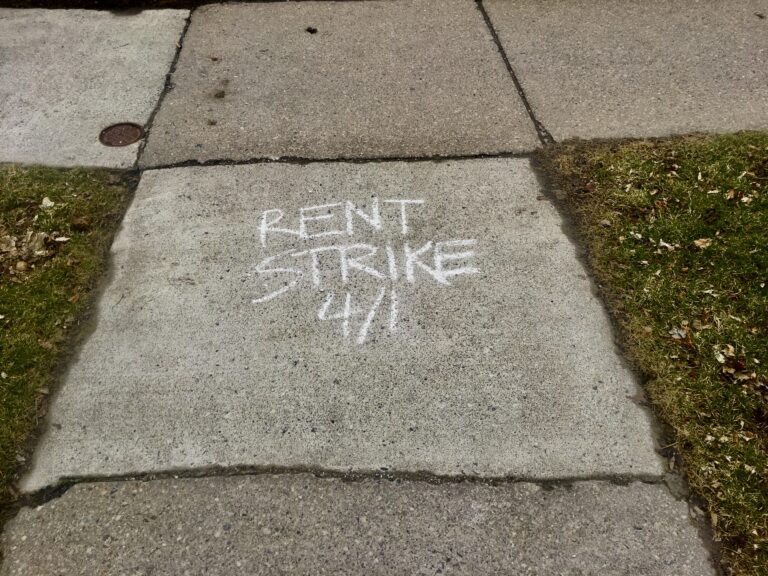
## The problem in numbers Housing instability and eviction are major drivers of homelessness and family hardship. On a single night in January 2020, HUD counted 580,466 people experiencing homelessness in the United States (HUD, Annual Homeless Assessment Report). Millions…

Homelessness is a solvable problem — but solving it will require both proven programmatic approaches (like Housing First and permanent supportive housing) and a dramatic increase in the supply of affordable, service-ready homes. Emerging industrial construction approaches — factory-built modular…

Rural communities face housing challenges that are different in kind — not just degree — from urban areas. Lower incomes, older housing stock, limited rental markets, long travel distances, and constrained service infrastructure all shape how homelessness and housing instability…

Shared equity ownership — community land trusts, limited-equity cooperatives, and deed-restricted resale formulas — is one of the most promising, pragmatic tools cities and advocates have to create permanently affordable homes. Unlike short-term subsidies or time-limited deed restrictions, shared equity…
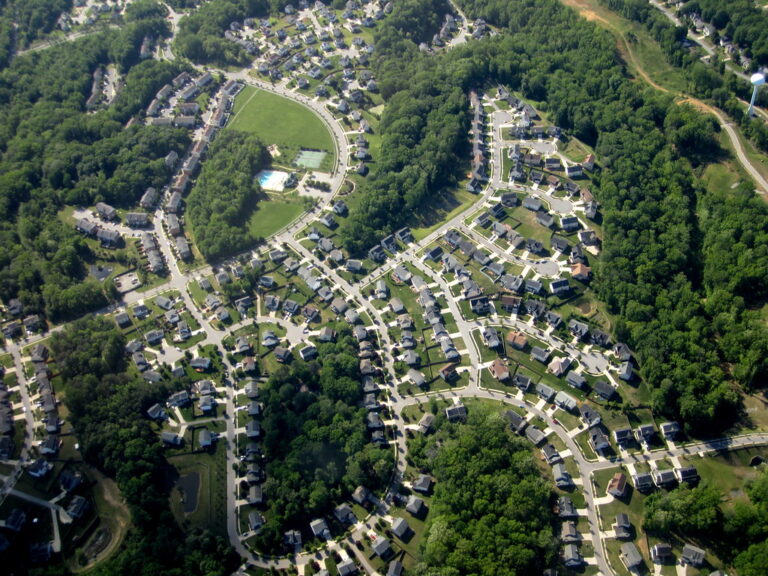
Housing affordability and homelessness are solvable problems — but only if policymakers pair proven homelessness interventions with supply-side reforms that actually allow more homes to be built. Below I summarize what’s working now, the evidence behind it, and concrete policy…

Homelessness in the United States remains a persistent crisis — on any given night, more than half a million people experience homelessness (HUD Annual Homeless Assessment Report). Traditional development pipelines are too slow and often too costly to meet urgent…

Housing First is no longer just an idea. Over the past two decades it has moved from a promising pilot to an evidence-based backbone of effective homelessness policy. The core principle is simple and humane: provide people experiencing homelessness with…

Shared equity models — community land trusts, limited-equity cooperatives, and other resale-restricted ownership forms — are increasingly recognized as one of the most reliable ways to create and protect permanently affordable homes. Unlike time-limited subsidies, shared equity embeds affordability into…
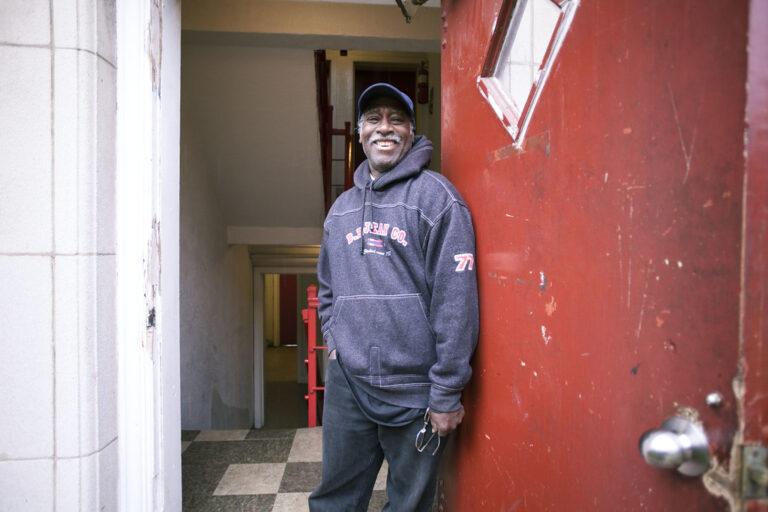
The Housing First model—prioritizing rapid placement into permanent housing with voluntary, flexible supports—has moved from a promising approach to a proven strategy for ending chronic homelessness. Decades of research and dozens of city- and state-level implementations show consistent results: high…